Magic Rose: A Gothic-Inspired Font for Sophisticated Design Projects
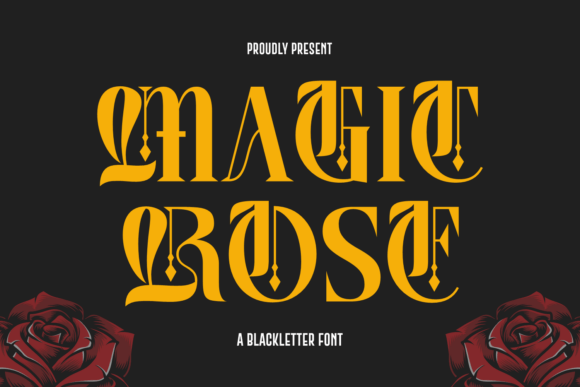
Fonts are more than just a way to display text—they serve as visual anchors that define the tone and character of your work. For designers, marketers, educators, and entrepreneurs seeking to blend historical elegance with modern aesthetics, Magic Rose is an excellent choice. This captivating blackletter font combines the dramatic flair of gothic lettering with delicate floral embellishments, making it ideal for branding, invitations, logos, and other creative applications where visual impact and thematic depth matter.
Understanding Magic Rose in the Context of Design Workflows
Blackletter fonts have long been associated with medieval manuscripts and formal documents, but they can also be adapted for contemporary use when paired with thoughtful design choices. Magic Rose stands out by introducing subtle ornamental elements that soften its gothic roots without compromising its bold presence. When considering how to incorporate this font into your workflow, it’s important to understand both its strengths and limitations.
Where does Magic Rose fit in? It works best in pre-production and final execution stages of a project. During the early conceptual phase, you might explore alternative fonts to establish a visual identity. Once the direction is clear, Magic Rose can help refine the aesthetic and add a touch of romantic sophistication or mysterious allure. In post-design phases, it can enhance brand consistency across materials like packaging, signage, or promotional content.
Preparation: Choosing the Right Project for Magic Rose
Before using Magic Rose, evaluate whether its style aligns with your project’s goals. The font excels in contexts where a sense of timelessness, elegance, or fantasy is desired. Consider the following scenarios:
- Branding: Use Magic Rose for niche brands in industries such as fashion, luxury goods, or artisanal products that aim to evoke a classic yet refined image.
- Event Invitations: Whether it’s a wedding, anniversary, or themed gala, Magic Rose brings a level of sophistication that elevates printed and digital invites alike.
- Logo Design: Incorporate it into logos for businesses with a strong narrative—such as bookstores, vintage shops, or fantasy-themed ventures.
- Marketing Materials: Apply it in posters, banners, or social media graphics to create intrigue and draw attention through visual storytelling.
Compatibility is another key factor. Ensure that the platform or software you’re using supports custom fonts. Most modern design tools like Adobe Illustrator, Canva, and Figma allow easy integration of TTF or OTF files. Additionally, test Magic Rose on different screen sizes and print formats to verify legibility and visual appeal.
Implementation Tips for Using Magic Rose Effectively
Here are practical tips to ensure Magic Rose enhances rather than overwhelms your designs:
- Use Sparingly: Because of its intricate nature, Magic Rose should be reserved for headlines, titles, or short phrases. Overusing it can make text difficult to read and dilute its impact.
- Pair Thoughtfully: Choose a complementary sans-serif or serif font for body text. For example, pairing Magic Rose with a clean, minimalist typeface like Helvetica or Georgia can balance the design effectively.
- Adjust Spacing and Kerning: Due to its decorative structure, fine-tuning the spacing between letters can improve readability and visual harmony. Many design programs offer advanced typography settings to assist with this.
- Experiment with Color: While traditional blackletter fonts are often used in dark tones, Magic Rose looks striking in metallic shades or pastel hues. Try gold, deep red, or even lavender for a unique twist.
- Consider Background Contrast: Place Magic Rose against light or neutral backgrounds to highlight its details. Avoid overly busy textures unless you want to create a specific mood or atmosphere.
When working on a multi-stage project, like developing a brand identity, integrate Magic Rose at the point where visual storytelling becomes crucial. Start with sketches or wireframes using simpler fonts, then bring in Magic Rose during the final styling phase to add emotional resonance and visual distinction.
Workflow Integration and Collaboration
Design projects rarely happen in isolation. You may need to collaborate with copywriters, developers, or clients who aren’t familiar with the nuances of typography. To streamline communication and ensure consistent use of Magic Rose, consider the following strategies:
- Create a typography style guide that outlines how Magic Rose will be used—its size, color, and placement within the overall design system.
- Share the font file securely with team members or stakeholders, especially if it's not part of a standard library. Platforms like Google Fonts or Adobe Fonts simplify access, but for proprietary fonts like Magic Rose, direct file sharing via cloud services (Google Drive, Dropbox) is effective.
- Use version control systems or collaborative design tools to track changes and maintain consistency across all assets. Tools like Figma or Zeplin allow real-time feedback while preserving the typographic integrity of your chosen font.
If you're designing for print, confirm that the printer supports embedded fonts or convert Magic Rose to outlines before sending final proofs. For web use, ensure the font is optimized for fast loading and cross-browser compatibility. If needed, pair it with a fallback font in CSS to maintain aesthetics even if the primary font fails to load.
Real-World Use Cases and Creative Applications
Magic Rose has found its place in various professional and personal workflows. Here are some examples of how it can be applied creatively:
1. Branding for a Vintage Fashion Line
A boutique clothing brand aiming to market itself as timeless and elegant could leverage Magic Rose in their logo and packaging. The font adds a layer of artistry that communicates craftsmanship and heritage. During the initial design phase, the brand team might experiment with multiple fonts before settling on Magic Rose for its distinct personality.
2. Wedding Invitations with a Romantic Theme
Wedding planners often look for fonts that convey emotion and style. Magic Rose fits well in handcrafted or digitally designed invitations that emphasize romance and tradition. When creating these materials, designers might first draft the layout with placeholder text, then apply Magic Rose once the theme and message are finalized.
3. Educational Resources for History or Literature Courses
Educators teaching about the Middle Ages or Renaissance literature can use Magic Rose in presentations or course materials to visually reinforce the historical context. However, it’s recommended to use it only in headers or title slides, with simpler fonts for reading-heavy content like lecture notes or articles.
4. Marketing Campaigns for Fantasy-Themed Products
For campaigns promoting books, games, or merchandise with a fantasy setting, Magic Rose can serve as a visual hook. It helps build an immersive experience, encouraging audiences to engage with the world being presented. Designers might start with a storyboard or mood board featuring Magic Rose, then incorporate it into digital ads, website banners, and product labels.
Long-Term Use and Quality Control
When using Magic Rose as part of a long-term brand or project strategy, maintaining quality and consistency is essential. Establish clear rules for when and how it should appear in different formats and platforms. For instance, decide whether it will be used in print, digital, or both, and set guidelines for sizing, color, and alignment.
Regularly review your materials to ensure the font remains legible and appropriate for evolving design needs. As trends shift or client preferences change, you may find that Magic Rose is better suited for certain sub-brands or seasonal campaigns rather than overarching themes.
To keep your workflow efficient, store the Magic Rose font file in a shared resource folder accessible to all relevant team members. This avoids repeated downloads and ensures everyone is working from the same source. Also, document any adjustments made to the font (e.g., spacing, color variations) so future users can replicate the look accurately.
Conclusion
Magic Rose is more than just a decorative font—it’s a tool that can shape perception and enhance storytelling in your design projects. By understanding its role in the broader workflow and applying it strategically, you can achieve a powerful visual effect that resonates with your audience. Whether you’re crafting a brand, designing event materials, or building educational content, Magic Rose offers a unique blend of gothic charm and modern adaptability.
As with any font, the key to success lies in preparation, thoughtful implementation, and ongoing evaluation. Integrate Magic Rose into your process at the right moment, support it with compatible tools and collaborators, and let its beauty elevate your work without overshadowing clarity or purpose.