Decor: A Typeface That Elevates Branding and Design
When it comes to typography, the right font can make all the difference. One standout in the world of elegant typefaces is Decor, a striking blackletter style that brings a sense of tradition, class, and sophistication to any design project. Its intricate details and sharp serifs immediately draw attention, making it an excellent choice for those looking to create a strong visual impact with their text.
What Is Decor?
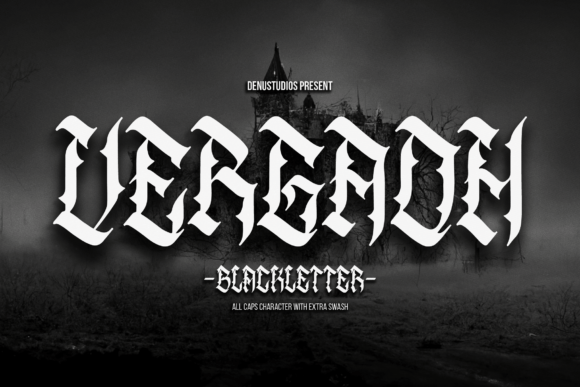
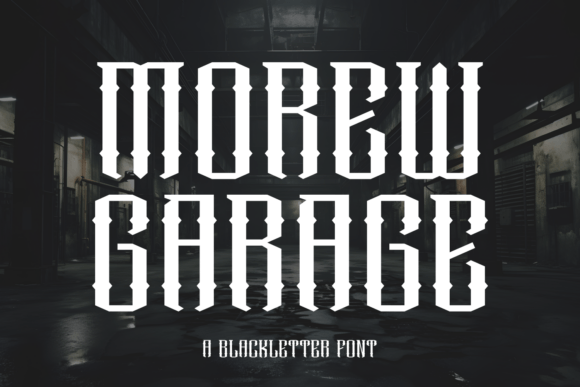
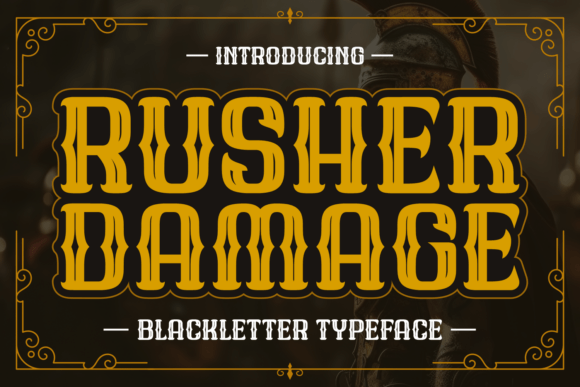
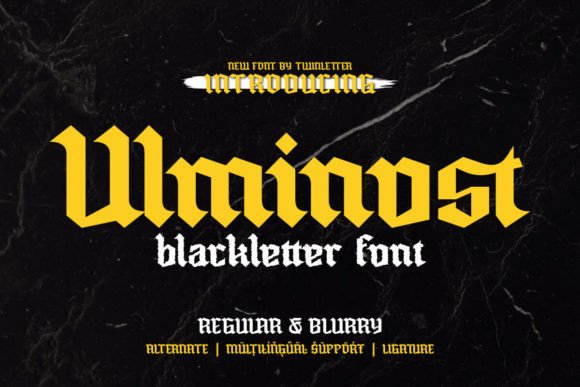
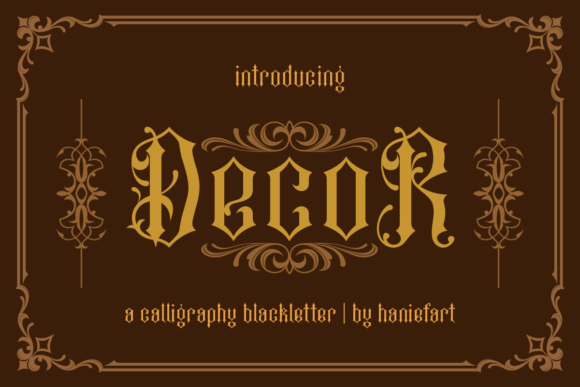
Decor is a blackletter typeface characterized by its ornate strokes and refined structure. Unlike modern sans-serif fonts, which lean toward simplicity and minimalism, Decor embraces complexity and artistry. It's often described as having a noble and timeless quality, reminiscent of medieval manuscripts or classic calligraphy. This aesthetic makes it especially valuable for projects where history, luxury, or formality are key elements.
Real-World Use Cases for Decor
The beauty of Decor lies in its versatility across different industries and applications. Here are some practical scenarios where this typeface shines:
- Luxury Branding: High-end fashion houses, perfume brands, and fine jewelry stores often use Decor to reflect exclusivity and craftsmanship. The font adds a layer of sophistication that aligns well with premium products.
- Formal Invitations: Weddings, galas, and other upscale events benefit from the regal appearance of Decor. It conveys elegance and sets the tone for an occasion that demands attention to detail.
- Historical-Themed Designs: Whether you're creating content for a museum, historical society, or a period film, Decor helps transport audiences back in time with its traditional look.
- Creative Writing and Literature: Authors of fantasy novels, poetry collections, or historical fiction often choose Decor for titles and chapter headings. It enhances the narrative experience by visually reinforcing the story’s setting or mood.
- Restaurant Menus and Packaging: Some gourmet restaurants and specialty food brands incorporate Decor into their branding to evoke a sense of old-world charm or culinary heritage.
Who Can Benefit from Using Decor?
Designers, marketers, and business owners alike can find value in using Decor depending on their goals and target audience. For instance:
- Graphic Designers: When working on editorial designs, logos, or event materials, Decor offers a unique visual flair that stands out without being over-the-top.
- Brands Targeting Mature Audiences: Decor's traditional appeal resonates well with older demographics who appreciate classic aesthetics and timeless design.
- Event Planners: Those organizing weddings, corporate dinners, or cultural festivals can use Decor to craft invitations and signage that feel both distinguished and memorable.
- Independent Artists and Calligraphers: Decor complements hand-drawn elements and can be used alongside custom illustrations to create cohesive, artistic layouts.
How Different Industries Are Leveraging Decor
Across various sectors, Decor has found a home due to its ability to communicate specific values through its design. Let’s explore how different industries are using it:
Fashion and Beauty
In the fashion and beauty industry, first impressions matter. Brands that want to convey a sense of heritage and refinement often turn to Decor for packaging labels, brand logos, and product descriptions. For example, a boutique cosmetics line inspired by Renaissance art might use Decor on its box labels to highlight the artisanal nature of its products.
Wedding and Event Planning
Wedding planners frequently use Decor for save-the-dates, invitations, and programs. The font gives a sense of grandeur and personalization, helping couples set the tone for a memorable celebration. In one case, a planner used Decor for a rustic barn wedding theme, pairing it with vintage illustrations and earthy color palettes to create a warm yet luxurious feel.
Educational and Cultural Institutions
Museums, galleries, and universities often use Decor in promotional materials and signage to emphasize their connection to history or academia. A local history museum, for instance, might feature the typeface in posters or exhibit titles to reflect the gravity and importance of the subject matter.
Book Publishing
Publishers of literary works, especially those focused on historical or fantasy genres, find Decor useful for book covers and title pages. The font can help establish a mystical or ancient atmosphere, drawing readers in before they even open the cover.
Practical Considerations Before Choosing Decor
While Decor is undeniably beautiful, it's not always the best fit for every situation. Here are a few things to consider before incorporating it into your project:
- Legibility: Blackletter styles like Decor can be harder to read at smaller sizes or in large blocks of text. Always test how it looks in different formats—especially digital ones.
- Contrast and Color: Because of its dark, heavy strokes, Decor works best against light backgrounds. Using it on dark-colored surfaces may reduce its impact and clarity.
- Context Matters: Decor should be reserved for situations where its formal and traditional vibe adds value. It may clash with casual or contemporary themes if used improperly.
- Pairing with Other Fonts: To avoid overwhelming the reader, pair Decor with simpler, more readable fonts for body text. A clean sans-serif or serif font can balance its ornate character effectively.
Strengths and Limitations of Decor
Understanding when and where to use Decor is essential to leveraging its full potential. Let’s break down its strengths and limitations:
- Strengths:
- High visual impact and memorability
- Ideal for luxury, formal, and historical contexts
- Offers a distinct personality compared to standard fonts
- Works beautifully in print and high-resolution digital media
- Limitations:
- May not be suitable for long paragraphs or web interfaces
- Can appear too dramatic or outdated if misused
- Requires careful spacing and sizing to maintain readability
- Not ideal for multilingual or non-Latin scripts
Where to Access Decor
If you’re ready to try Decor in your next project, there are several platforms where you can access it:
- Google Fonts – Offers a curated selection of free and premium fonts, including Decor in some packages.
- Fonts.com – A trusted source for professional-grade typefaces, with licensing options for commercial use.
- MyFonts – Provides a wide range of decorative fonts, including Decor and similar blackletter styles.
Always ensure you have the proper license for any font you plan to use commercially. Many designers prefer purchasing a license outright rather than relying on free versions, especially when working on client projects or selling branded products.
Design Tips for Working with Decor
To get the most out of Decor, keep these tips in mind:
- Use it sparingly: Apply Decor only to headlines, titles, or accents. Overusing it can distract from the message and dilute its impact.
- Balance with whitespace: Give the font room to breathe. Crowded layouts can make it harder to appreciate its fine details.
- Consider weight variations: If available, use lighter or bolder versions of Decor to add contrast and depth to your design.
- Test across devices: Make sure the font renders clearly on both desktop and mobile screens, particularly if it's part of a digital campaign.
Why Decor Stands Out Among Other Typefaces
Decor isn't just another font—it's a statement. Its bold presence and intricate detailing offer something no modern sans-serif can replicate. While fonts like Helvetica or Arial prioritize readability and neutrality, Decor leans into emotion and storytelling. It’s not about being subtle; it's about making an impression that lingers.
This is why it’s often chosen for special occasions or niche markets where the goal is to evoke a particular feeling or era. The font doesn’t just display text—it tells a story.
Final Thoughts on Decor
Whether you're designing a luxury brand identity or crafting a vintage-style invitation suite, Decor can elevate your work with its rich, historical aesthetic. However, it's important to weigh its benefits against its limitations and ensure it aligns with your overall design strategy.
By thoughtfully integrating Decor into the right parts of your layout and considering your audience's preferences, you can harness its elegance to create compelling, professional, and visually stunning designs. As with any tool, the key is knowing when to use it—and when to step back.